Hardiness & calving ease
Our cows brave droughts, parasites and disease with genetics doing the heavy lifting. Females are selected for easy calving, with an average birth weight of about 7% of the mother's weight, so no intervention is needed.
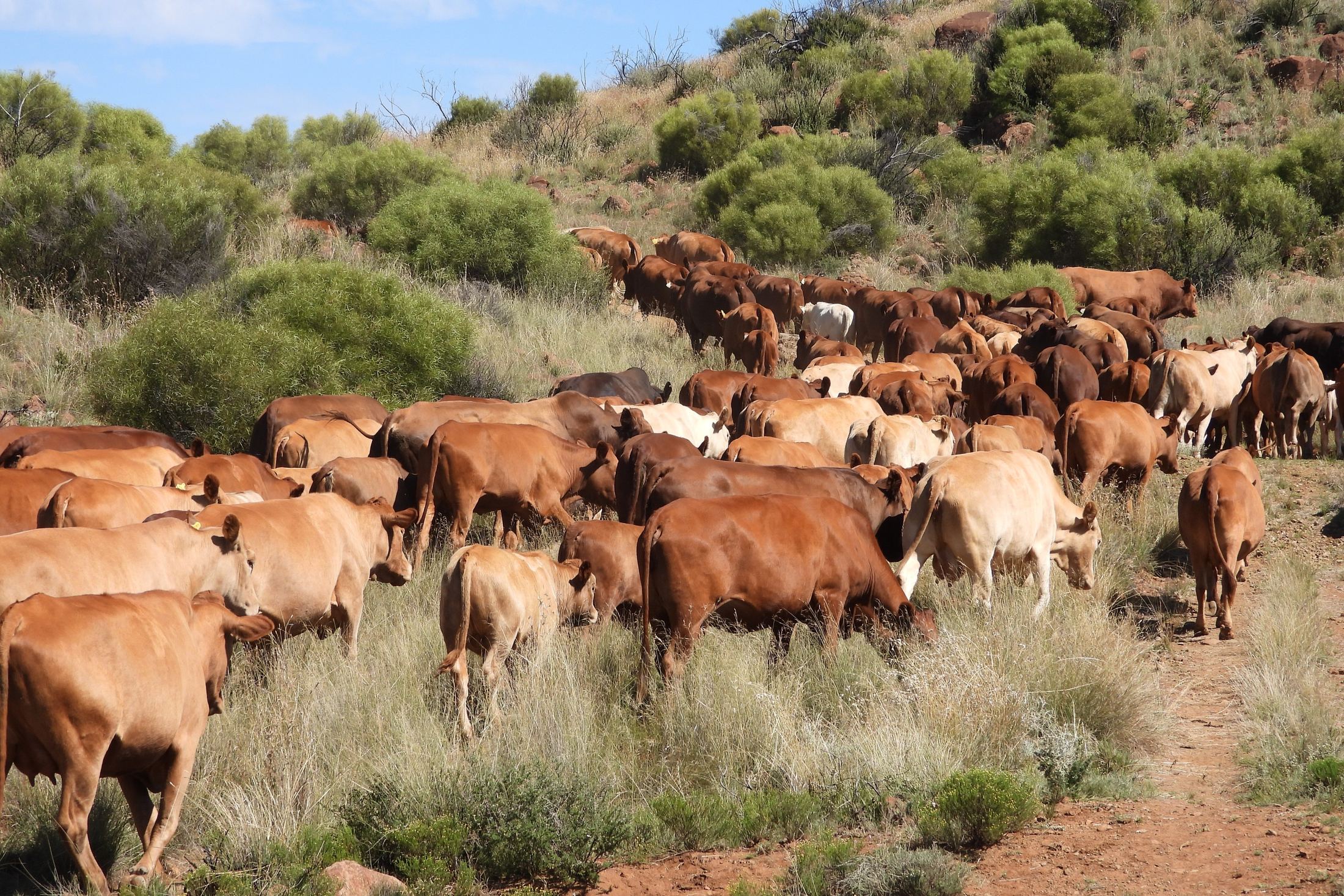
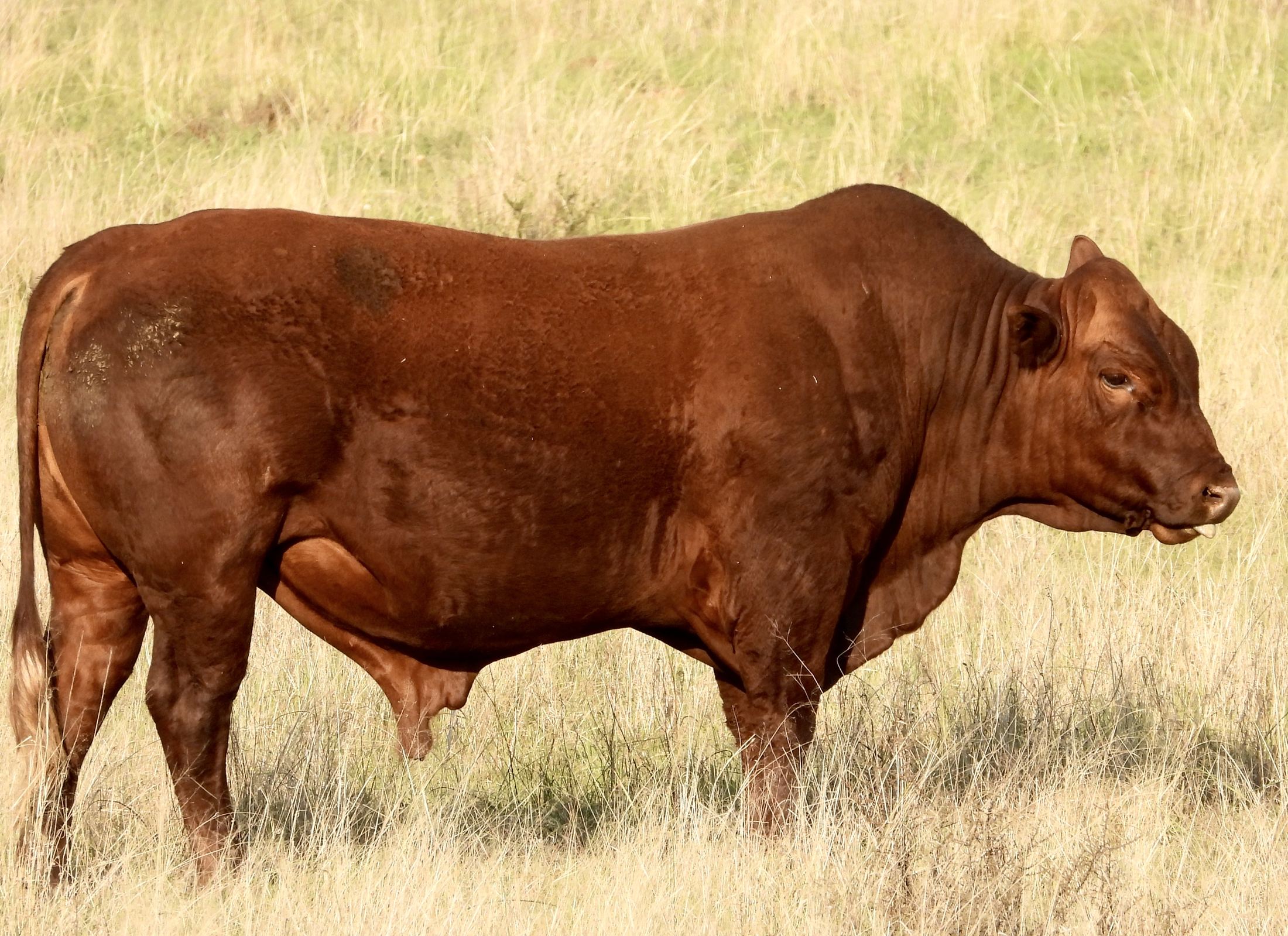
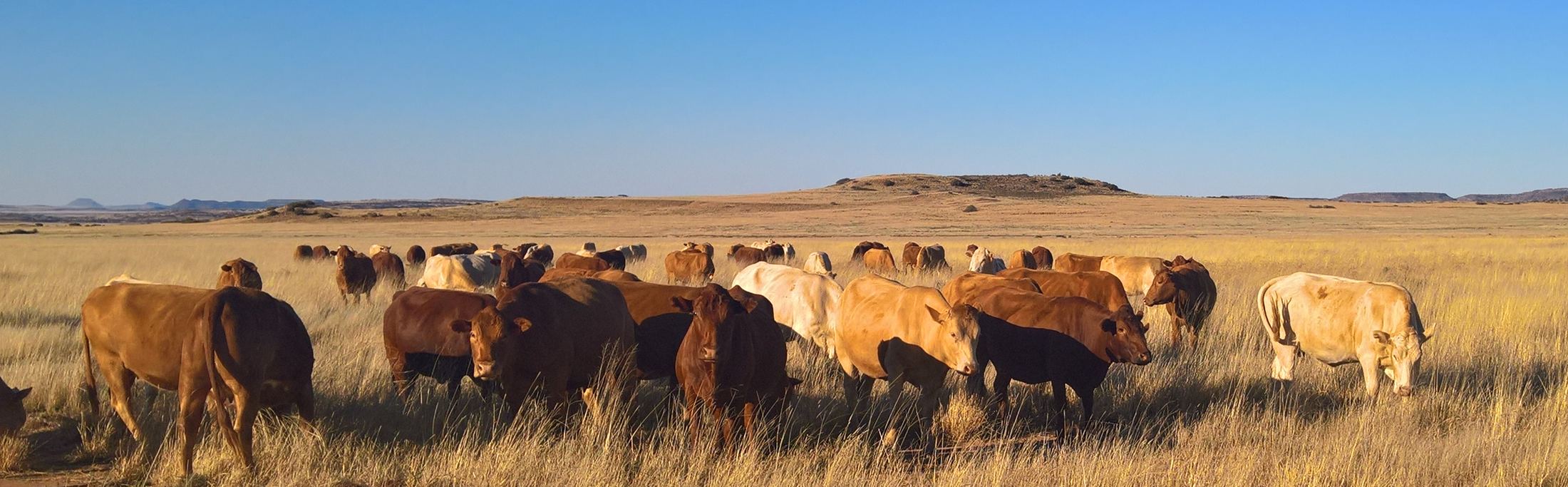
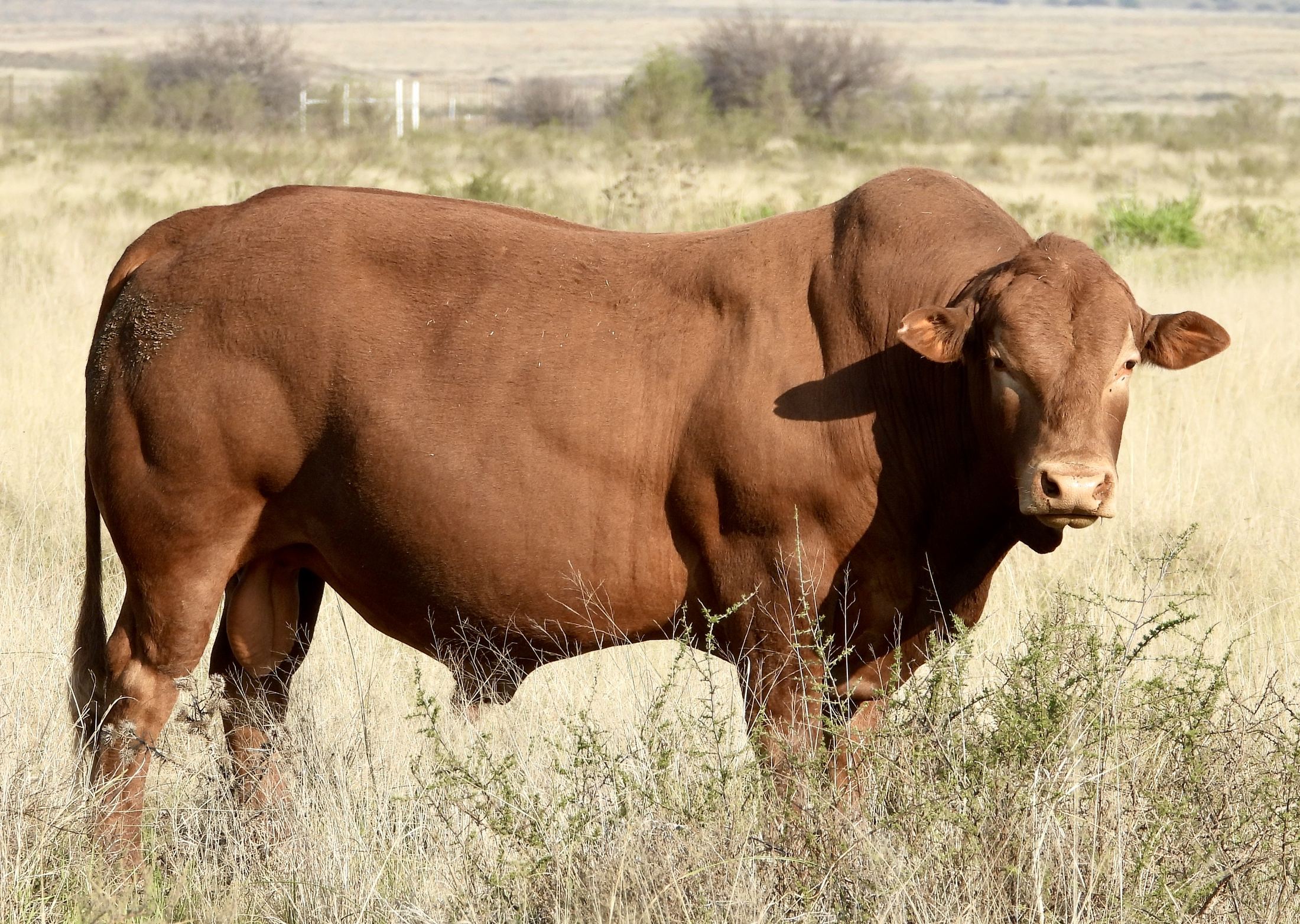
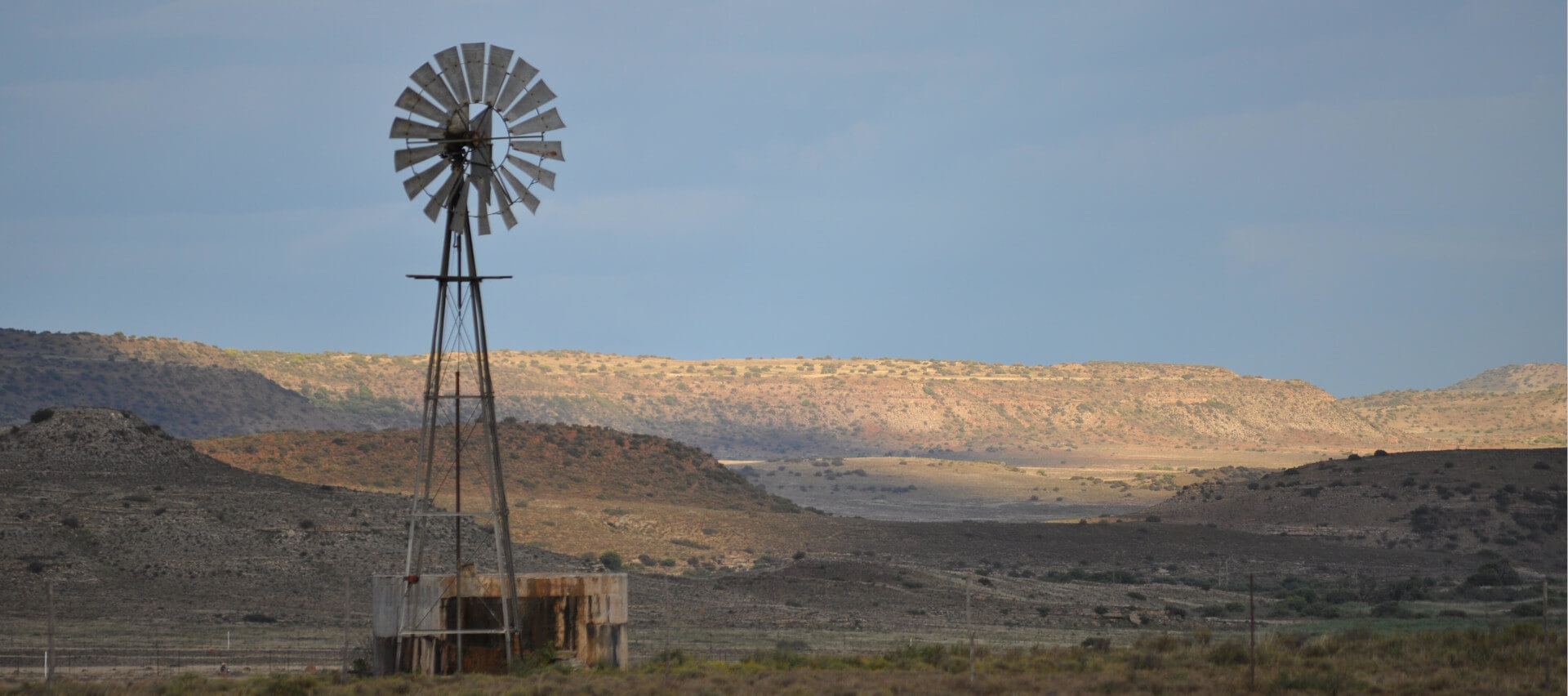
Tuli cattle bred on Dankbaar farm, where the Great Karoo meets the Suurberg mountains. From 49°C in summer to −16°C in winter, our herd raises its calves in the mountains with little to no support. If they don't thrive, they don't survive.
From the onset our goal was clear: breed the most profitable cattle for the Karoo. Every decision is measured against one question: will it increase the lifetime profitability of both the commercial and the stud cow?
Our cows brave droughts, parasites and disease with genetics doing the heavy lifting. Females are selected for easy calving, with an average birth weight of about 7% of the mother's weight, so no intervention is needed.
A calf every year, without exception, is non-negotiable. Heifers enter their first breeding season at 24 months, and more than 5% of our cows will soon deliver their 10th calf or more.
Meat is money. Following Prof Jan Bonsma's thinking, a cow must produce the biggest possible calf for the least amount of veld eaten: the most meat per hectare.
Early fleshing, depth and carcass quality, proven in Phase D growth tests. Progeny that perform in the feedlot, and cattle that can be finished off on the veld.
Herd averages from our own performance records. Tap a figure to see what it means.
Dankbaar farm lies between Venterstad and the Gariep Dam, where the Great Karoo melts into the Suurberg mountains. Rain often only starts in the second week of January, so the cattle graze winter veld for much of the year.
The herd raises its calves and completes the breeding season in the mountains: steep, rocky slopes and long walking distances. Only the cows that keep producing good calves every year remain.
Our current sires, with their own figures and those of their progeny.
Swipe to see all the sires →
The bulls from our stud auction on 2 October 2026 at Dankbaar farm. Sort by the figure that matters most to you, or show only the bulls suited to heifers. Ask us about availability and the next auction.
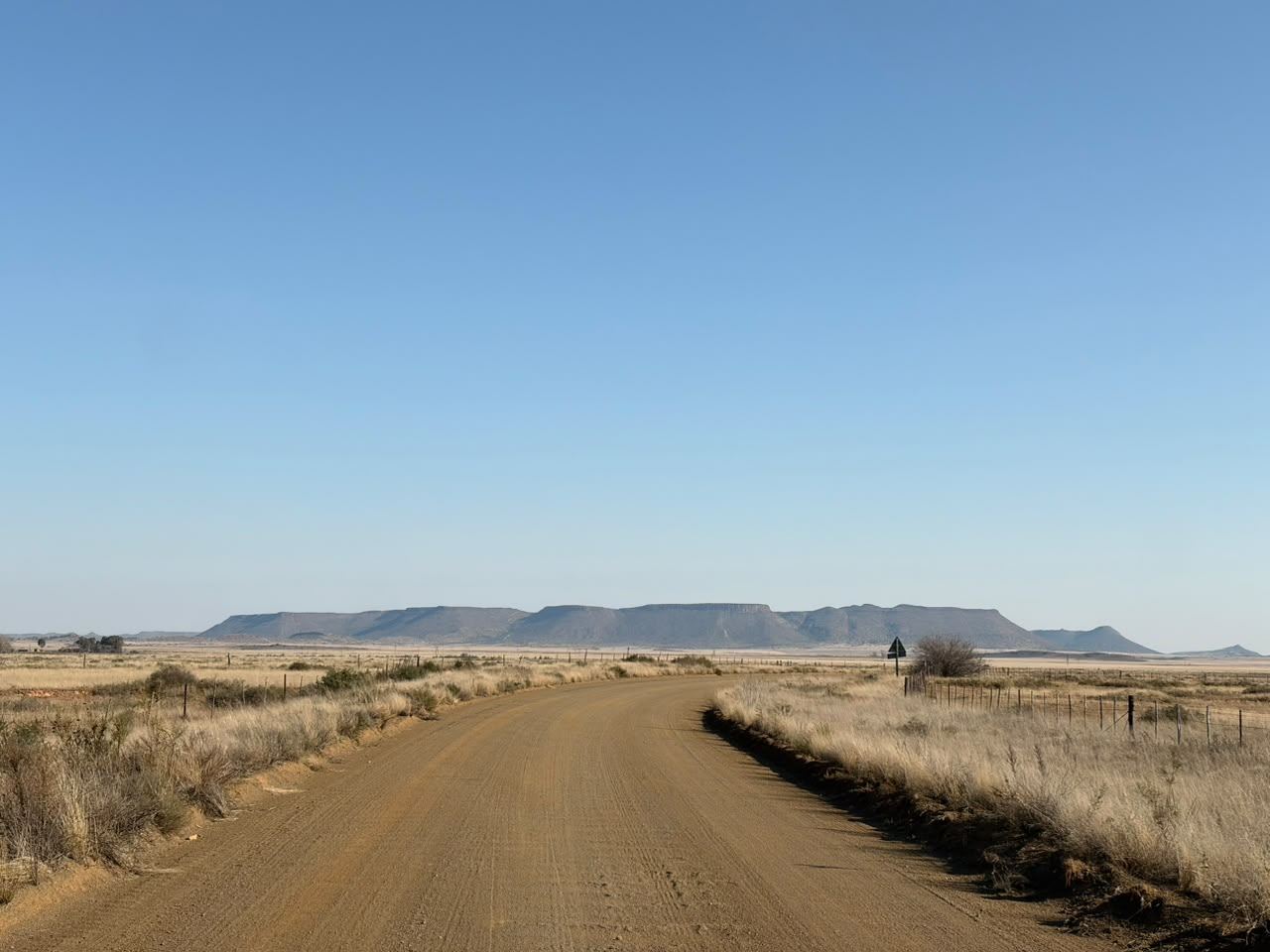
A harsh climate where the Great Karoo melts into the Suurberg mountains. Temperatures range from 49°C in summer to −16°C in winter, and rainfall of about 450 mm a year is unpredictable.
This harsh environment has allowed years of natural selection to refine the herd, so that only the cows who keep producing good calves every year, without exception, remain.
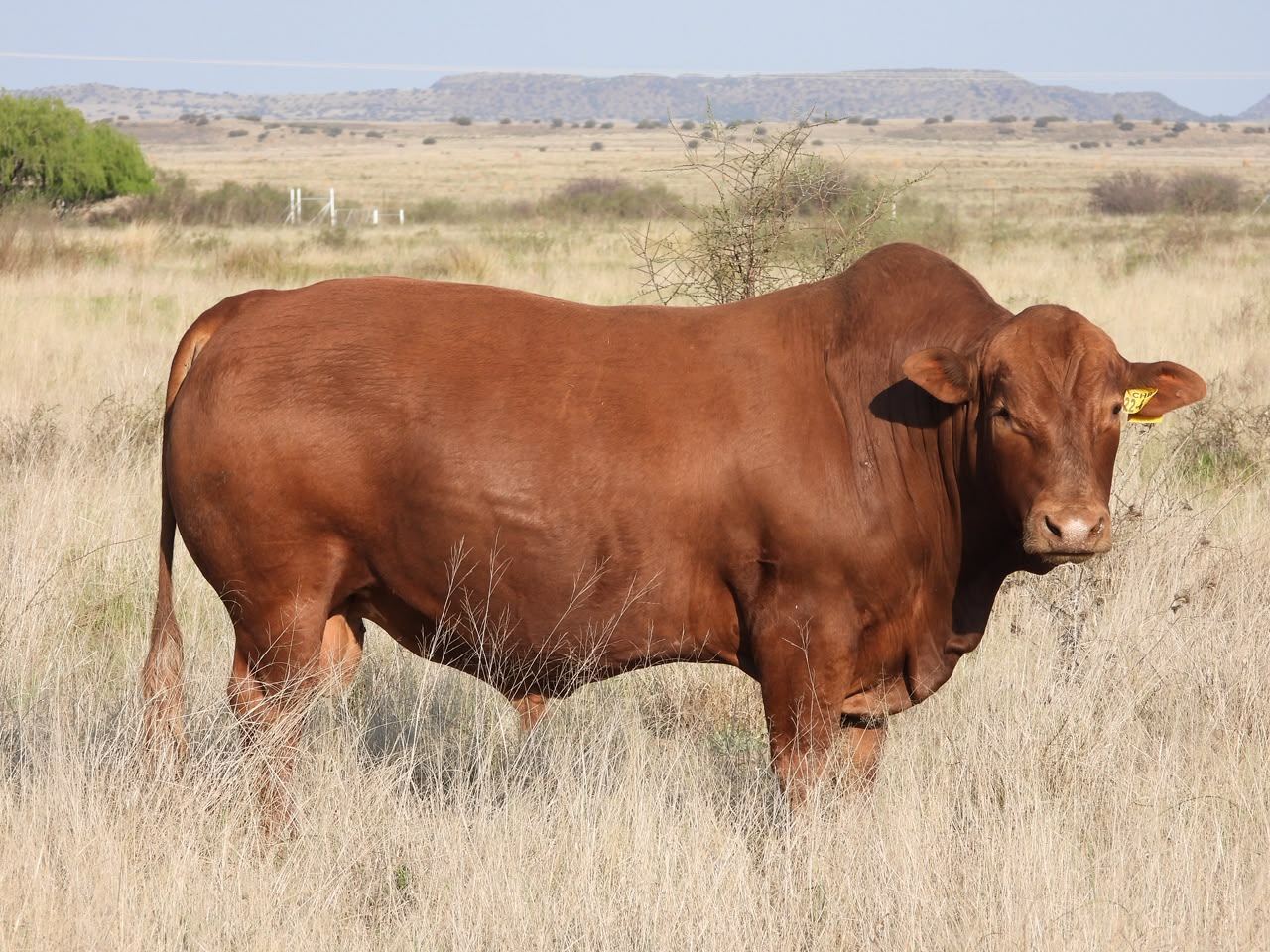
In the early 1940s, agriculturalist Len Harvey identified a distinctive type of yellow Sanga cattle in what is now south-west Zimbabwe. Rather than risk their adaptability by crossbreeding, he selected strictly for fertility, efficient beef production, temperament and uniformity, under heat, poor grazing and long walking distances.
The Tuli was officially recognised in 1955. Today it is known for calving ease, maternal instinct, good carcass quality and efficient use of available forage: a breed to reckon with in a low-input system.
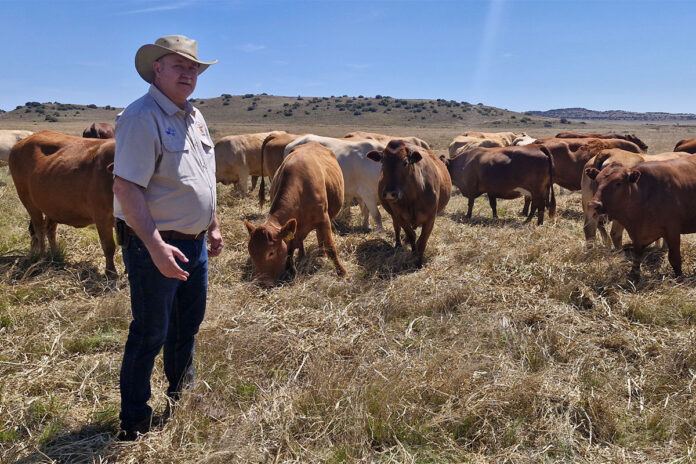
A chartered accountant, turnaround specialist for JSE-listed companies and founder of his own group of companies. When he bought his father's farm, the vision was the same as any turnaround: make it profitable. Dorpers were hindered by predators and stock theft, and in 2004 the Tuli journey began.
After trialling several breeds, only one met his profitability goals on Karoo veld without supplementation. The aim: more kilograms of beef per kilogram of cow maintained each year, unassisted calving and high conception without intensive feeding.
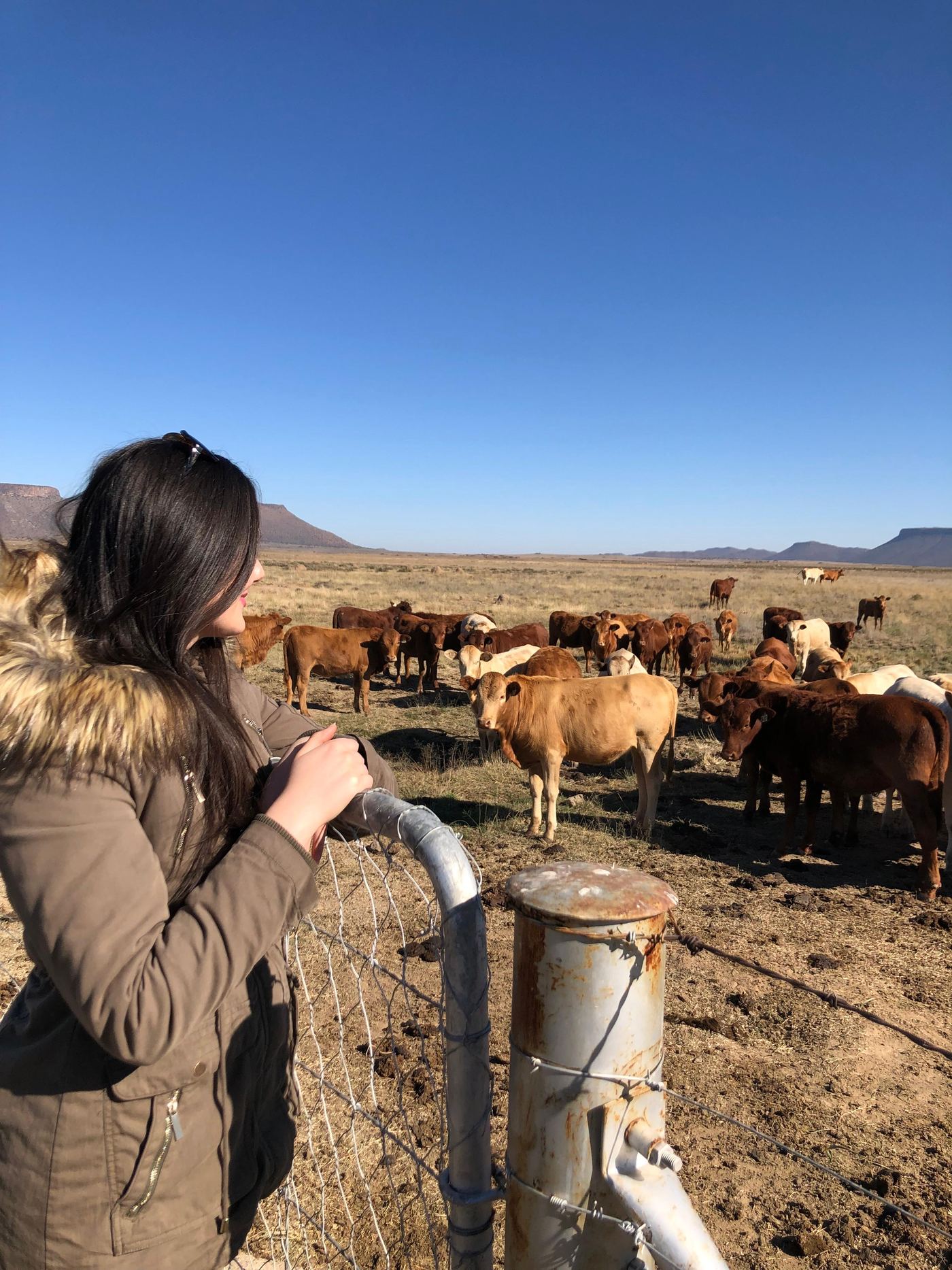 Dr Jomari Rothmann062 701 3399
 Christo Rothmann082 572 9506
And twice the ARC National Beef Cattle Improvement Herd of the Year, across all breeds.
Visits to Dankbaar farm by appointment. Send us a WhatsApp and tell us about your herd and what you're looking for.
Dankbaar farm, between Venterstad and the Gariep Dam, Eastern Cape